
10 Essential Electrical Tips Every Homeowner Should Know
As a homeowner, it’s critical to keep your electrical system safe and efficient. Whether you're experienced in DIY repairs or just starting, knowing basic electrical tips can help you protect your home and avoid dangers. Here are ten essential electrical tips that every homeowner should keep in mind.
1. Know Your Circuit Breaker
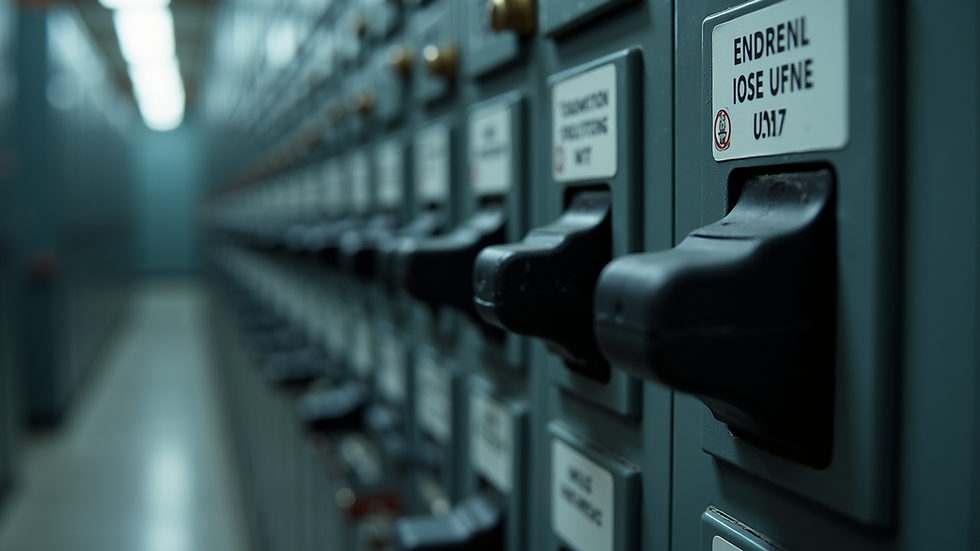
Understanding your circuit breaker is vital for home safety. Take the time to learn the layout and function of each breaker. For example, label the breakers based on which areas they control, like "living room" or "kitchen." This way, if a circuit trips, you can quickly identify and reset it. In fact, knowing your circuit layout can save you valuable time.
2. Use the Right Wattage
Always ensure your light bulbs match the wattage rating of your fixtures. Using higher wattage bulbs can lead to overheating, which is a significant fire risk. For instance, if a fixture recommends a 60-watt bulb, using an 100-watt bulb can cause it to overheat. Always check the fixture’s label for its maximum wattage to keep your home safe.
3. Don’t Overload Outlets
Avoid connecting too many devices to a single outlet. Overloading outlets can lead to overheating and a greater chance of electrical fires. Instead, consider using power strips that come with built-in circuit breakers for safety. For example, if you find that you often use two charging stations and a lamp in one room, it might be wise to invest in a smart power strip to prevent overloading.
4. Regularly Inspect Cords and Plugs
Checking your electrical cords and plugs is essential for home safety. Look for frayed wires or damaged plugs, as these are potential hazards that can lead to electric shocks or fire. In fact, according to the National Fire Protection Association, 30% of home structure fires related to electrical malfunctions are caused by faulty cords. Replace any damaged cords immediately to ensure safety.

5. Install GFCI Outlets
Ground Fault Circuit Interrupter (GFCI) outlets are particularly important in moisture-prone areas like bathrooms and kitchens. These outlets can prevent electric shocks by cutting off the electricity flow when a ground fault is detected. For instance, GFCIs can reduce the risk of electrical shock by up to 75% in wet areas. Installing them is an investment in your family’s safety, potentially saving lives.
6. Turn Off Power When Working
If you plan to do any electrical work, always turn off power at the circuit breaker first. Use a voltage tester to confirm that the circuit is not live before you start repairs or installations. Practicing this routine can prevent accidents and ensure your safety during repairs, giving you peace of mind.
7. Label Your Circuits
Labeling your circuits is a straightforward yet effective way to simplify your electrical maintenance. Clearly mark each breaker with its corresponding area or appliance. This not only saves you time when you need to turn off a circuit quickly but can also guide your electrician during repairs. For example, labeling a breaker as “Refrigerator” can prevent accidental shutdowns.
8. Don’t Ignore Flickering Lights
Flickering lights should not be overlooked. They can signal various issues, including loose bulbs, faulty switches, or sometimes, more serious wiring problems. Investigating the cause promptly is essential, as unresolved issues can lead to malfunctioning circuits and even house fires.
9. Schedule Regular Inspections
Consider scheduling regular checkups with a licensed electrician to assess your electrical system. Qualified professionals can identify issues before they escalate into larger problems, helping to ensure that your home’s electrical system remains in safe and efficient working condition. Regular inspections can also enhance your home’s resale value by assuring prospective buyers of its safety.
10. Educate Your Family
It’s important for everyone in your household to understand basic electrical safety. Teach family members how to use outlets properly, recognize potential hazards, and what steps to take in case of an electrical emergency. For instance, knowing to unplug devices instead of pulling them out can prevent injuries and damage.
Summing up, being proactive about your home's electrical system is key to preventing accidents and creating a safe environment. By utilizing these ten essential tips, homeowners can effectively manage their electrical systems and avoid hazards. Remember, when in doubt, don’t hesitate to consult a professional electrician. Your safety and peace of mind are always worth it!


Comments