
5 Essential Tips for Effective Fault Finding in Your Home
Finding faults in your home can feel overwhelming, especially if you don't know where to begin. Whether you're dealing with a leaky faucet, flickering lights, or strange noises, identifying the source of the problem is key to making effective repairs. In this blog post, we will guide you through five essential tips for fault finding in your home, helping you troubleshoot issues efficiently and with confidence.
1. Start with a Systematic Approach
When you encounter a problem, it’s vital to take a structured approach. Begin by identifying the symptoms of the issue. Is it a sound, a smell, or a visual cue? Make a checklist of all observed symptoms. This list will help you narrow down potential causes and focus your investigation. For instance, if you notice water stains on your ceiling, make note of any other symptoms such as dampness in the attic or a musty smell—this could indicate a roof leak or plumbing issue.

2. Check the Basics First
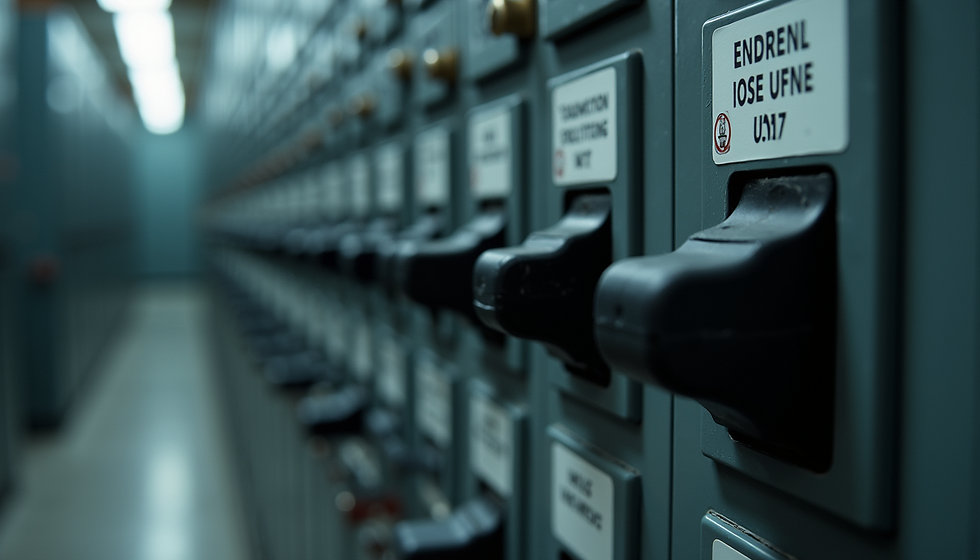
Before diving into complex problem-solving, start with the basics. For electrical issues, check if the circuit breakers are functioning correctly. For plumbing problems, inspect for any visible leaks or clogs. In fact, about 90% of plumbing issues can be resolved by clearing simple blockages or tightening fittings. Sometimes, these simple checks can solve the most frustrating problems, saving you time and effort.
3. Use Diagnostic Tools
Investing in diagnostic tools can pay off in both time and effort. A multimeter is a handy device for checking electrical circuits and wire integrity. For example, if your outlets are not working, a multimeter can determine whether there’s power in the outlet. Similarly, a moisture meter can identify hidden leaks in walls. Tools like these can provide critical data that help you locate the source of issues quickly, rather than relying on guesswork.

4. Don’t Ignore Unusual Sounds
Unusual sounds in your home can signal underlying issues. A hissing noise from pipes may indicate a leak, whereas a rattling sound from appliances can suggest loose parts or components. Pay attention to where and when these sounds occur, as they can provide valuable clues. For instance, if you hear a gurgling noise when using a sink, it may point to a clogged drain or vent.
5. Seek Professional Help When Needed
While DIY troubleshooting can be effective, there are times when it’s wise to bring in a professional. If you encounter complex electrical systems or significant plumbing issues, an expert is invaluable. Professionals have the experience and specialized tools to diagnose and fix problems safely and efficiently. For example, attempting to repair major electrical issues without proper knowledge can exceed the risk factor, with the potential for injury or further damage.
In summary, effective fault finding in your home relies on observation, basic checks, and the right tools. By following these five essential tips, you can tackle common household issues confidently. While some problems might be resolved on your own, don't hesitate to reach out for professional help when needed. A proactive approach to maintenance can save you time, money, and stress over the long haul. Happy troubleshooting!


Comments